Description
What Adderall is
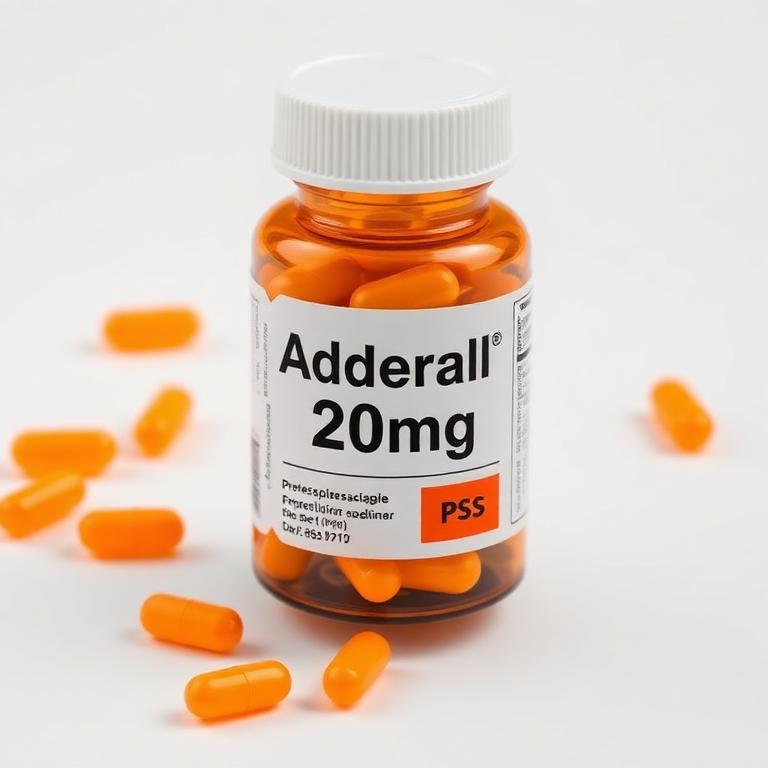
- Adderall is a prescription stimulant medication whose active ingredients are mixed amphetamine salts (typically a combination of dextroamphetamine and levoamphetamine). It increases activity of certain neurotransmitters in the brain, principally dopamine and norepinephrine.
- Formulations: immediate‑release (IR) tablets and extended‑release (XR) capsules. Brand and generic versions exist; dose strengths vary.
How Adderall works (mechanism of action)
- Increases release and inhibits reuptake of dopamine and norepinephrine in the central nervous system. This raises synaptic concentrations of these monoamines, which enhances attention, alertness, and executive function for many users.
- Effects on the brain and behavior: improved attention, increased wakefulness, reduced impulsivity and hyperactivity in people with ADHD; increased alertness and decreased daytime sleepiness in narcolepsy.
Common medical uses
- Attention‑Deficit/Hyperactivity Disorder (ADHD)
- One of several stimulant medications used as first‑line pharmacotherapy for ADHD in children, adolescents, and adults.
- Helps improve attention span, task persistence, impulse control, and organizational functioning for many patients when used as part of a comprehensive treatment plan.
- Narcolepsy
- Used to reduce excessive daytime sleepiness and improve wakefulness in people with narcolepsy.
- Off‑label uses (less common and clinician‑dependent)
- Sometimes used off‑label for treatment‑resistant depression augmentation, certain sleep disorders, or fatigue in specific clinical contexts—but such uses should be supervised by a clinician experienced with stimulants.
Typical side effects
- Very common
- Decreased appetite, weight loss
- Insomnia or difficulty falling/staying asleep
- Dry mouth
- Headache
- Nervousness, jitteriness, anxiety
- Increased heart rate (tachycardia)
- Increased blood pressure
- Common/moderate
- Gastrointestinal upset (nausea)
- Dizziness
- Mood changes, irritability
- Less common/serious
- Palpitations, chest pain
- Significant blood pressure increases
- Psychotic or manic symptoms (hallucinations, delusions, severe agitation) especially at high doses or in susceptible individuals
- New or worsened tics
- Growth suppression in children (small decreases in growth velocity have been reported; monitoring recommended)
- Dependence and withdrawal symptoms on abrupt cessation after prolonged use (fatigue, depression, increased appetite, sleepiness)
- Rare: severe cardiovascular events (stroke, myocardial infarction) — more likely in people with underlying heart disease or uncontrolled hypertension
Risks, contraindications, and cautions
- Abuse and dependence potential
- Amphetamines are stimulants with abuse potential. They can produce euphoria at high doses and are controlled substances in many jurisdictions.
- Risk factors for misuse include personal or family history of substance use disorder.
- Cardiovascular risk
- Caution in patients with known structural heart disease, cardiomyopathy, serious arrhythmias, or uncontrolled hypertension. Pre‑treatment cardiac history and physical may be appropriate; further cardiac evaluation for concerning history or symptoms.
- Psychiatric risks
- May exacerbate anxiety, agitation, psychosis, or mania in susceptible people. Use cautiously or avoid with uncontrolled bipolar disorder or active psychosis.
- Interaction with other medications
- Monoamine oxidase inhibitors (MAOIs): combination can cause hypertensive crisis — MAOI therapy is a contraindication or requires a washout period.
- Other sympathomimetics, some antidepressants, and certain antihypertensives may interact and alter effects or risk profile.
- Pregnancy and breastfeeding
- Potential risks should be discussed with an obstetrician/clinician; amphetamines cross the placenta and may have effects on the fetus. Breastfeeding while taking stimulants is a clinical decision balancing risks and benefits.
Monitoring during treatment
- Baseline assessment: medical history, cardiac risk assessment, psychiatric history, baseline blood pressure and pulse, weight and height (in children).
- Ongoing: monitor blood pressure, heart rate, growth in children, mood/behavior changes, signs of misuse, and efficacy (symptom scales, functional improvements).
- Dose adjustments: use the lowest effective dose; consider drug holidays in some patients under clinician guidance.
Legal and regulatory framework around prescription stimulants
- Controlled substance status
- In many countries (e.g., United States, most of Europe, Canada, Australia), amphetamine preparations are classified as controlled substances because of their potential for abuse, dependence, and harm. The exact schedule/class varies by jurisdiction but typically places stimulants in categories that require strict prescription controls.
- Prescription requirements
- A valid prescription from a licensed healthcare provider is required to obtain Adderall. Many jurisdictions require written prescriptions, and some require special prescription forms or electronic prescribing systems for controlled drugs.
- Refills and quantities are often restricted: shorter prescription durations, limited number of refills, and periodic re‑evaluation by the prescriber.
- Recordkeeping and monitoring
- Pharmacies and prescribers are often required to maintain records, verify identity, and report dispensing to prescription drug monitoring programs (PDMPs) or national registers to help detect diversion and doctor shopping.
- International controls
- Internationally, amphetamines are subject to drug control treaties and customs rules; transporting such medications across borders without proper documentation can be illegal.
- Telemedicine and remote prescribing
- Many regions have regulations about remote prescribing of controlled substances; some permit it under tight safeguards and evaluation, others require in‑person assessments before initial prescriptions.
Why prescriptions are required and dangers of unregulated sources
- Medical oversight and safety
- Appropriate diagnosis: ADHD and narcolepsy require medical assessment to ensure stimulant treatment is appropriate and to consider alternative or adjunctive therapies.
- Dose selection and monitoring: clinicians tailor dose, formulation, and follow up to balance benefits and risks and to monitor adverse effects.
- Risks from unregulated sources
- Counterfeit or adulterated products: pills or powders from illicit markets may contain incorrect active ingredients, contaminants, or dangerous additives (e.g., fentanyl, other stimulants), risking overdose or poisoning.
- Incorrect dosing: lack of medical guidance can lead to overdose, severe side effects, or dangerous drug interactions.
- Legal consequences: buying controlled substances without a valid prescription or importing them illicitly can result in criminal penalties in many jurisdictions.
- Lack of continuity of care: no medical follow up means psychiatric, cardiovascular, or dependency risks can go unrecognized and unmanaged.
- Public health reasons
- Controlling distribution reduces misuse, diversion to non‑medical users, and community harms (addiction, accidental ingestion, illicit markets).
Safe, legal alternatives and appropriate steps
- If someone suspects they have ADHD or narcolepsy, the correct path is to seek evaluation from a licensed clinician (primary care physician, psychiatrist, neurologist, or sleep specialist as appropriate).
- Diagnosis usually involves clinical interview, use of standardized assessment tools, collateral history for children, and sleep studies for suspected narcolepsy when indicated.
- Treatment options include behavioral therapies, non‑stimulant medications (atomoxetine, certain antidepressants, guanfacine/clonidine for ADHD), sleep hygiene and sodium oxybate or modafinil for narcolepsy when appropriate, and lifestyle interventions.
- For those concerned about stimulant misuse or dependency, treatment programs and specialist addiction services are available.

Kevin B –
The pills are easy to take and work reliably.
I keep them at home for occasional use.
Good experience overall.
Natalie R –
This medication has worked very well for me.
I noticed relief shortly after taking it.
Would recommend it based on my experience.
Tyler B –
The tablets do their job for minor symptoms.
Nothing extraordinary but still helpful.
Overall a fair product.